
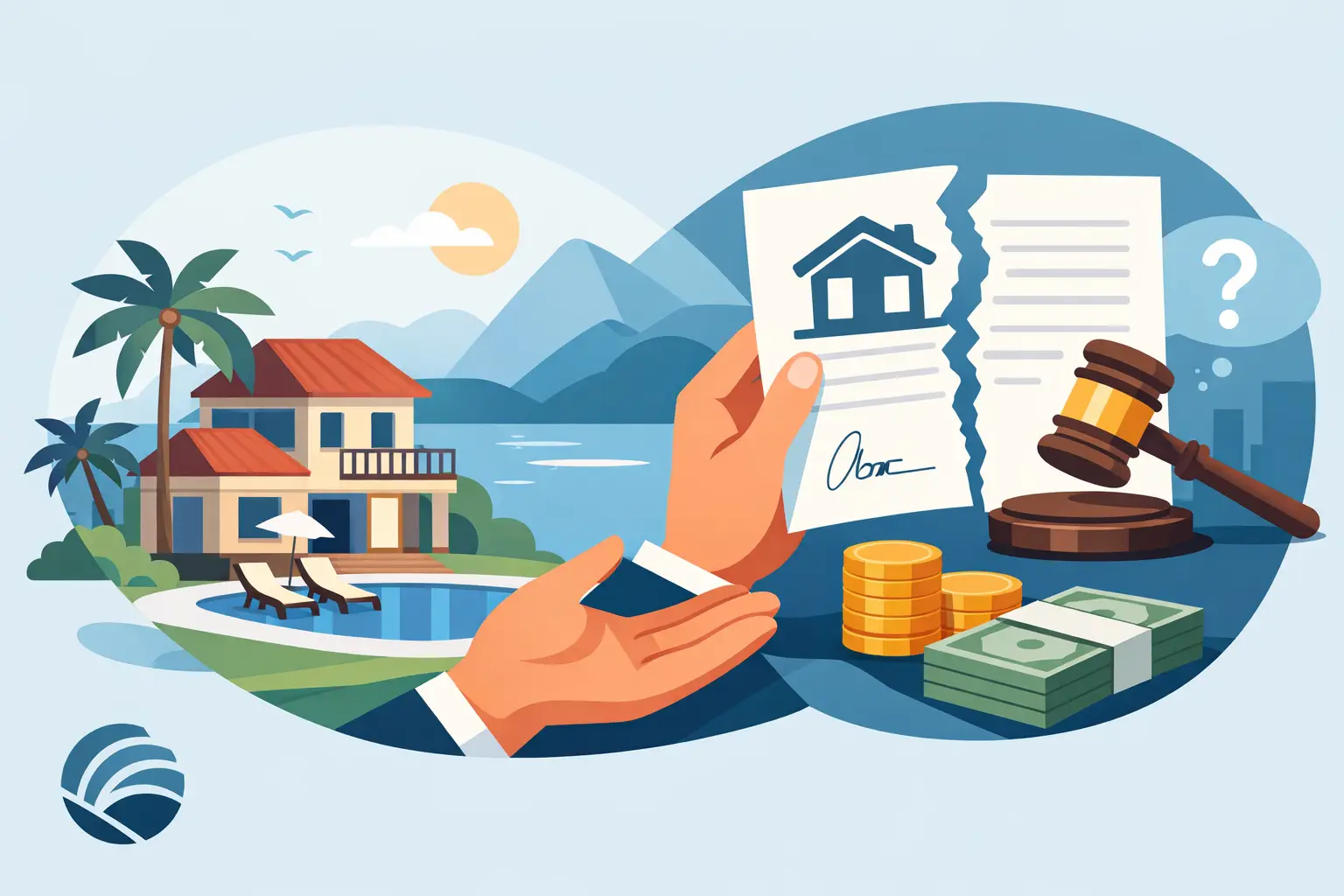
Paying off the loan feels like the finish line, but for many owners, that is when the real frustration starts. If you are asking, can you cancel a timeshare after paying it off, the short answer is yes, sometimes – but payoff does not automatically give you an easy exit.
That surprises a lot of owners. They assume the debt was the hard part, and once the balance is gone, the ownership should be easier to end. In reality, paying off a timeshare usually removes the loan, not the contract. You may still be responsible for annual maintenance fees, special assessments, club dues, and other ongoing obligations until the ownership is legally transferred, surrendered, or canceled through a valid process.
Can You Cancel a Timeshare After Paying It Off?
Yes, in many cases you can still get out of a timeshare after it is paid off. The problem is that the available path depends heavily on what you own, where you bought it, how the resort handles exits, and whether your account is current.
A paid-off timeshare can actually be easier to deal with in some situations because there is no lender involved. That said, “easier” does not mean easy. Resorts are often more willing to discuss deed-backs or surrender programs when the loan is gone, but many owners still run into denials, delays, or conditions they were never told about when they bought.
The key point is simple. Paid off does not mean canceled. It only means one part of the obligation is over.
What Paying Off a Timeshare Actually Changes
When you pay off the purchase loan, you eliminate the financing side of the deal. That means the developer or lender can no longer claim you still owe principal and interest on the original purchase price.
What remains is ownership. If you have a deeded week, you may still hold title to a real property interest. If you own points or a vacation club membership, you may still be bound by the membership agreement and fee structure. In both cases, the contract usually continues until there is a formal exit.
This matters because many owners stop using the timeshare once it is paid off and assume they can simply walk away. The resort usually does not see it that way. As long as your name is attached to the ownership, the fees typically continue.
Why Owners Want Out Even After the Loan Is Gone
The most common reason is maintenance fees. A lot of people can tolerate a timeshare while they are actively vacationing and making loan payments. Once the loan ends, they expect relief. Instead, they notice the maintenance fees keep rising and the value they receive keeps shrinking.
Others are dealing with health changes, retirement income limits, travel restrictions, or family members who do not want to inherit the ownership. Some have tried to book vacations and discovered limited availability, poor customer service, or exchange rules that make the ownership far less useful than the sales presentation suggested.
That is why a paid-off timeshare often becomes the moment of clarity. Owners are no longer focused on the financing. They are finally looking at the long-term burden.
Your Main Exit Options After a Timeshare Is Paid Off
The best option is usually the one that ends the obligation with the least risk and the least additional money spent. That sounds obvious, but many owners get pulled into expensive programs before they understand what realistic exits look like.
Resort surrender or deed-back
This is often the cleanest option if the resort offers it. A deed-back, surrender, or voluntary relinquishment program allows the owner to return the timeshare to the resort or developer. Not every company offers this, and some only do it for certain owners.
Many resorts require the account to be fully paid and current on maintenance fees before they will even review the request. Some will also reject owners with prior delinquencies or unpaid assessments. If approved, this can be one of the safest ways out because the transfer is handled directly through the resort.
Resale or transfer to another party
In theory, you can sell a paid-off timeshare. In practice, resale value is often extremely low, and many timeshares have little to no legitimate resale market at all. Some owners find out their ownership is worth a dollar, or less than the transfer cost.
That does not mean resale is impossible. It means you need realistic expectations. If someone promises a high resale price for a timeshare you can barely give away, that is a major red flag.
Cancellation or negotiated exit based on contract issues
Some owners may have grounds to challenge the ownership based on misrepresentation, contract irregularities, regulatory issues, or other facts tied to the sale. This is highly case-specific. A paid-off account does not erase those concerns, but it also does not guarantee a legal cancellation.
This is where owners need careful review, not generic promises. The strength of the case depends on the documents, the timeline, the sales conduct, and the resort involved.
Stop paying and force the issue
Some owners consider default after the loan is paid off because they are tired of rising fees and see no other path. This is not a cancellation strategy. It is a risk decision.
Depending on the resort and the structure of the ownership, nonpayment can lead to collections, credit damage, foreclosure activity, account escalation, and ongoing stress. In some cases, the resort may eventually take back the ownership. In others, the process can drag on much longer than owners expect. Anyone considering this route should understand the possible consequences before making that move.
Can a Resort Refuse to Take Back a Paid-Off Timeshare?
Yes. That is one of the most frustrating parts of this industry.
Owners often assume that if there is no loan balance, the resort should gladly take the property back. But resorts do not always want more inventory, especially if they can keep collecting annual fees from current owners. Some companies have formal exit programs. Others have no meaningful process at all, or they make the standards so narrow that many owners do not qualify.
This is where insider knowledge matters. The answer is not the same across brands, clubs, and independent resorts. Some systems are more structured. Others are inconsistent and difficult to deal with.
What to Review Before You Spend Money on Help
If you are thinking about hiring an attorney, exit company, or document service, pause long enough to review the basics first. You want to know exactly what you own, whether it is deeded or right-to-use, whether it is fully current, what the governing documents say about transfer or surrender, and whether the resort has any internal exit process.
You also need to know whether the company you are speaking with is promising a service or promising a result. Those are not the same thing. A lot of owners pay thousands upfront for broad claims like “guaranteed cancellation” without getting a clear explanation of the method being used.
At Everything About Timeshares, this is where owners often benefit from an independent review before signing anything expensive. The goal is not to sell panic. It is to keep owners from making a bad situation more expensive.
Red Flags Owners Should Not Ignore
The paid-off owner is a prime target for scams because there is no active loan and the owner is usually frustrated enough to act quickly. Be very careful with anyone who claims they already have a buyer, guarantees a fast cancellation, or demands large upfront fees without reviewing your documents.
You should also be skeptical of any company that tells you to stop paying immediately as its first piece of advice. That may benefit the company more than it benefits you. A legitimate review should explain the trade-offs, including credit risk, collection exposure, and the chance that default still does not produce a clean exit.
The Best Next Step Depends on Your Exact Ownership
If your timeshare is paid off and you want out, the smart move is not to assume all exits are the same. A deeded week in Florida, a Mexican right-to-use contract, and a points-based vacation club can involve very different rules and leverage points.
That is why broad internet advice often falls short. The real question is not only can you cancel a timeshare after paying it off. The real question is what path fits your ownership, your account status, and your tolerance for risk.
Some owners have a straightforward surrender option. Others need a stronger contract review. Others are dealing with an ownership that has almost no resale potential and no cooperative resort. Each scenario calls for a different level of caution.
If you are already paid off, do not let that create false confidence or unnecessary despair. It does remove one obstacle, but it does not solve the ownership problem by itself. The right exit starts with understanding exactly what still binds you – and what does not.