
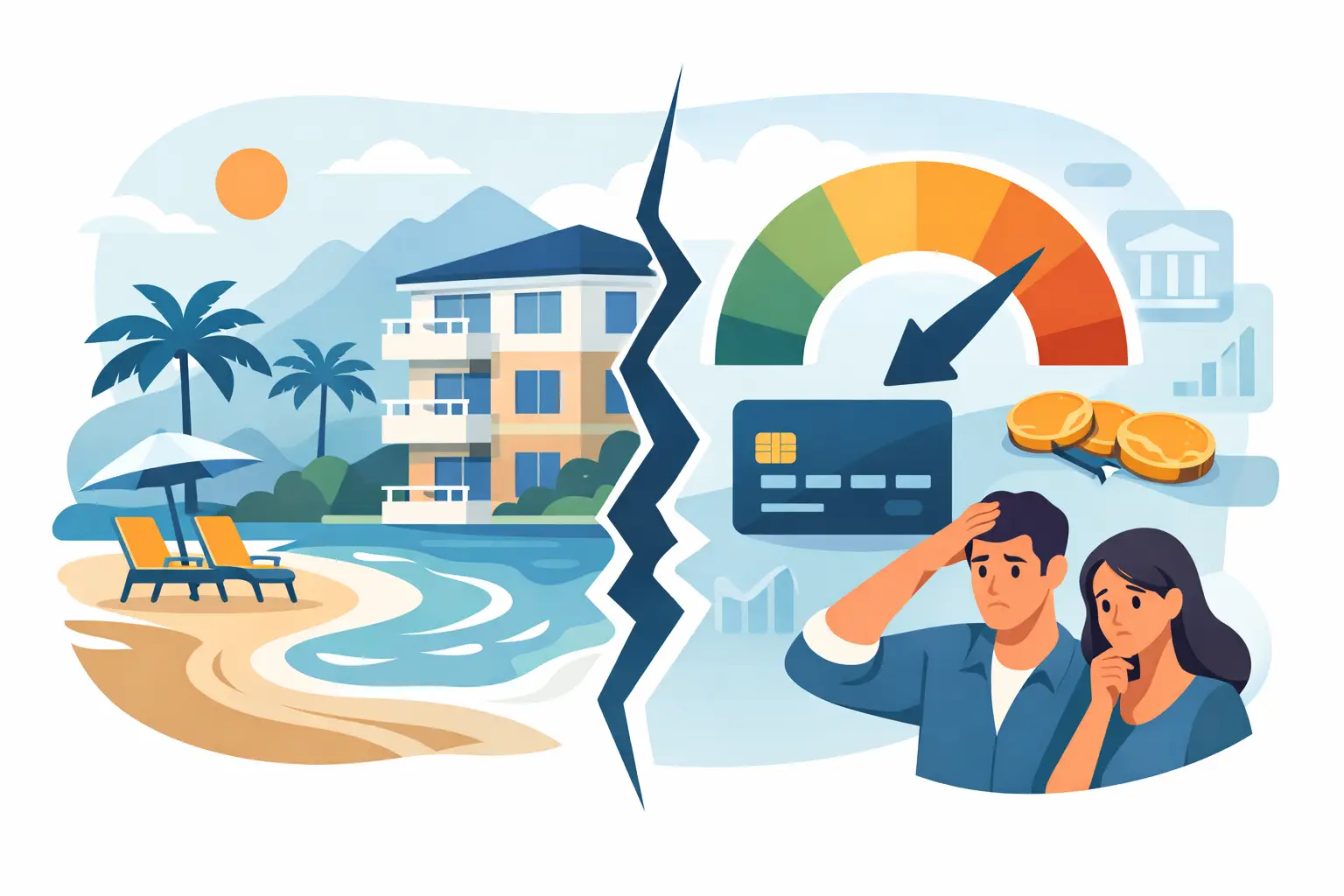
A lot of owners ask this question only after the phone calls start, the late notices pile up, or a collector mentions their credit report. If you’re wondering, can timeshare debt affect credit, the short answer is yes. But how it affects credit depends on what kind of timeshare debt you have, who is reporting it, and how far the account has progressed.
That distinction matters because many owners assume all timeshare problems are treated the same way. They are not. A financed timeshare loan can affect your credit differently than unpaid maintenance fees, special assessments, or a resort account that gets turned over to collections. The more you understand, the less fear controls your decisions.
Can timeshare debt affect credit in every case?
Not always in the same way, and not always right away.
There are usually two separate financial obligations tied to a timeshare. The first is the purchase loan, if you financed the timeshare. The second is the ongoing ownership cost, which often includes annual maintenance fees, special assessments, interest, and late charges. Either one can create credit problems, but they do not always follow the same path.
If your timeshare loan is held by a lender or developer that reports to the credit bureaus, missed payments can show up much like missed payments on other installment debt. Late payments can damage your score. A default can do more damage. If the account is charged off or sent to collections, the effect can become more serious.
Maintenance fees are a little less predictable. Some resorts do not report them directly to the credit bureaus as a normal monthly tradeline. But if those fees go unpaid long enough, the account may be assigned or sold to a collection agency. Once that happens, credit damage becomes much more likely.
So the honest answer is yes, timeshare debt can affect credit, but the route it takes matters.
The type of debt changes the risk
A financed timeshare loan is usually the clearest credit risk. If you signed a retail installment contract or loan agreement, your payment history may be reported. If you stop paying, the lender may report delinquencies, default, or a charge-off. That can lower your credit score and stay on your credit file for years, subject to credit reporting rules.
Unpaid maintenance fees can still become a major issue, even if they are not reported at the beginning. Resorts and homeowners associations often have collection rights under the contract. They may add late fees, interest, and collection costs. In some cases, they may also pursue legal remedies or refer the balance to outside collections.
This is where many owners get blindsided. They think, “I’m not paying a credit card or car loan, so maybe it won’t hit my credit.” Sometimes there is a delay, but delay is not the same as safety.
What credit damage can look like
Credit damage does not always happen in one dramatic event. It often builds in stages.
At first, you may see late payments if the account is being reported monthly. Later, the account could be marked in default. If the lender or resort charges off the debt, that negative mark can make future borrowing more difficult. If a third-party collector becomes involved, a collection account may appear on your report depending on the circumstances and current reporting practices.
The practical effect can show up when you apply for a mortgage refinance, auto loan, credit card, apartment, or even certain insurance products. You may face higher interest rates, lower approvals, or more questions from underwriters.
For older owners and retirees, this can feel especially unfair. You may not be trying to take on big new debt, but credit still affects flexibility. It can matter if you need to move, help family, cover medical costs, or handle a surviving spouse’s finances.
Why some owners stop paying anyway
Sometimes stopping payment is not a reckless decision. It is the result of financial pressure, health changes, loss of a spouse, reduced travel ability, or a contract that no longer makes sense.
Many owners are paying for something they cannot use. Others were promised availability or resale value that never materialized. Some are facing rising maintenance fees year after year and are choosing between the timeshare and essential household bills.
That does not erase the credit risk, but it does explain why so many owners reach this point. The key is to make the next decision with clear eyes. Panic leads people into expensive mistakes, including paying large upfront fees to companies that promise guaranteed exits without explaining the debt and collection consequences.
If collections have started, do not assume all hope is lost
Collections do not automatically mean the same outcome for every owner.
In some cases, there may still be room to pursue a structured exit, hardship-based resolution, deed-back possibility, or negotiated path depending on the developer, the account history, and whether there is a loan balance. In other cases, the realistic path may involve preparing for settlement discussions or responding carefully to collection activity instead of ignoring it.
What usually makes things worse is silence. Ignoring notices does not make the debt disappear. It often gives fees, interest, and collection pressure more time to grow. It can also make it harder to document hardship or show that you made a good-faith effort to resolve the problem.
What to do if you are worried about your credit
Start by figuring out exactly what you owe and to whom. That sounds simple, but many owners are not sure whether they are dealing with a developer loan, maintenance fee delinquency, internal collections, or an outside agency.
Pull together your purchase agreement, account statements, payment history, letters from the resort, and any collection notices. Then look at your credit reports to see whether anything is already being reported. You want facts, not guesses.
From there, consider the stage of the problem. If you are only a month behind, your options may be different than if the account has already defaulted. If there is a hardship such as illness, reduced income, disability, or death of a spouse, document it. Hardship does not guarantee a release, but it can matter.
This is also the point where owners should be careful about who they trust. A real educational review should help you understand whether cancellation, surrender, settlement, or debt resolution is even realistic in your situation. It should not start with a demand for thousands of dollars before anyone has reviewed the actual contract and account status.
Can you protect your credit and still get out of a timeshare?
Sometimes yes, sometimes not fully.
If you act early enough, there may be ways to resolve the ownership before the account becomes severely delinquent. Some owners are able to avoid deeper credit damage through a surrender program, negotiated resolution, or another exit path accepted by the resort or developer.
But if the account is already badly behind or charged off, the focus may shift from prevention to damage control. That can still be worthwhile. Limiting future collection activity, avoiding unnecessary payments to the wrong party, and pursuing the most realistic resolution can reduce long-term harm.
This is where plain truth matters. No ethical company should promise that they can erase valid debt overnight or guarantee that your credit will stay untouched. What they can do is help you understand the likely outcomes and make a smarter plan.
A common mistake: waiting for certainty
Owners often wait because they want a perfect answer before taking action. They want to know exactly what the resort will do, exactly how the credit bureaus will treat it, and exactly whether a settlement or cancellation will be approved.
Most of the time, that certainty does not exist at the beginning. What does exist is enough information to take a better next step. If the account is active, review it. If you are in hardship, document it. If collectors are involved, understand who owns the debt and what they are claiming. If an exit company is pressuring you, slow down.
At Timeshare Debt Relief, this is where education can make a real difference. Before you spend more money or ignore the problem longer, it helps to understand what kind of debt you actually have and what risks are already in motion.
If this situation has been keeping you up at night, you’re not overreacting. Credit damage, collection pressure, and ongoing fees can affect real life in serious ways. But fear gets smaller when the facts get clearer, and better decisions usually start there.
Thinking About Canceling Your Timeshare? Start With a FREE Exit Review Before spending thousands on attorneys or exit companies, get a FREE Timeshare Exit Review from Timeshare Debt Relief.
We’ll review your ownership, explain your options, and help you determine the most effective path toward cancellation. Affordable consultations and document preparation services are available. Learn your options first—it could save you time, money, and frustration.